
The Obesity
Area of Obesity

How can you find out how obese you are?
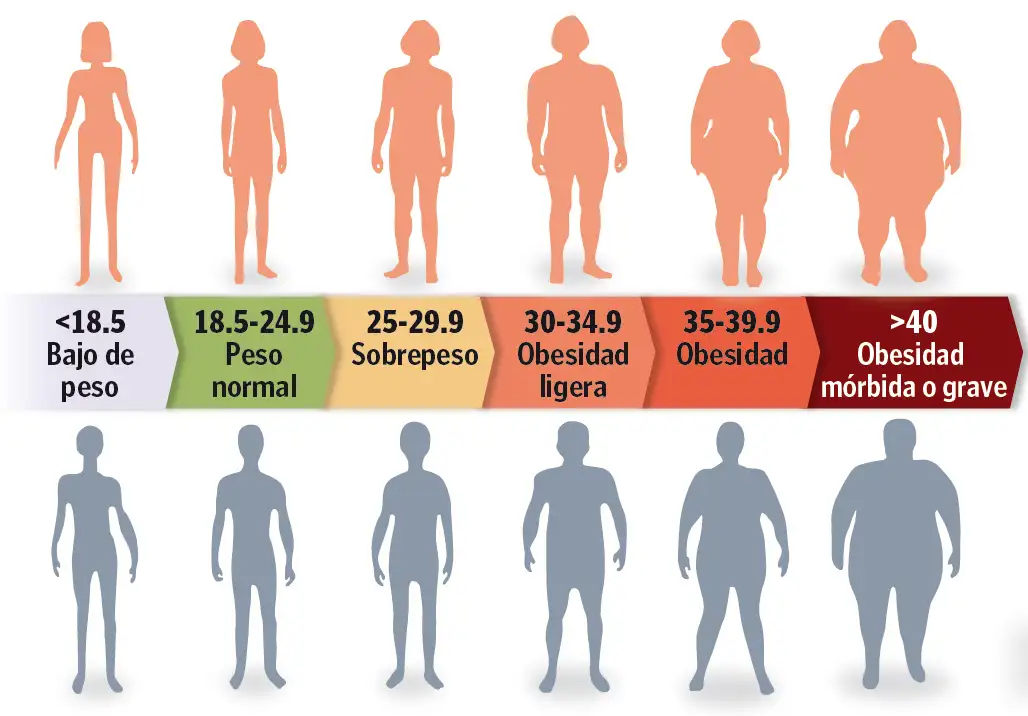
Obesity can be measured in terms of magnitude by body mass index, but also in terms of fat distribution through waist circumference.
1. CALCULATE YOUR BMI
Weight (kilograms) / Height x Height (meters)
2. ABDOMINAL CIRCUMFERENCE
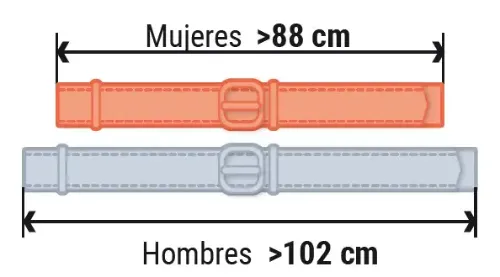
Central or abdominal location of body fat is associated with increased cardiovascular and metabolic risk.
Measure your abdomen at the level of your belly button
Limit values
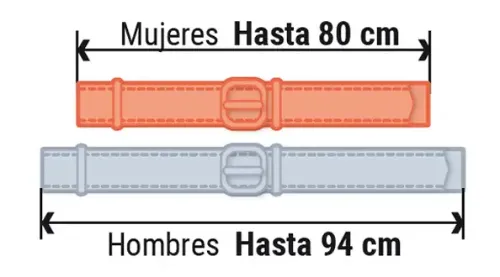
Risk values
What are the consequences of obesity for your health?
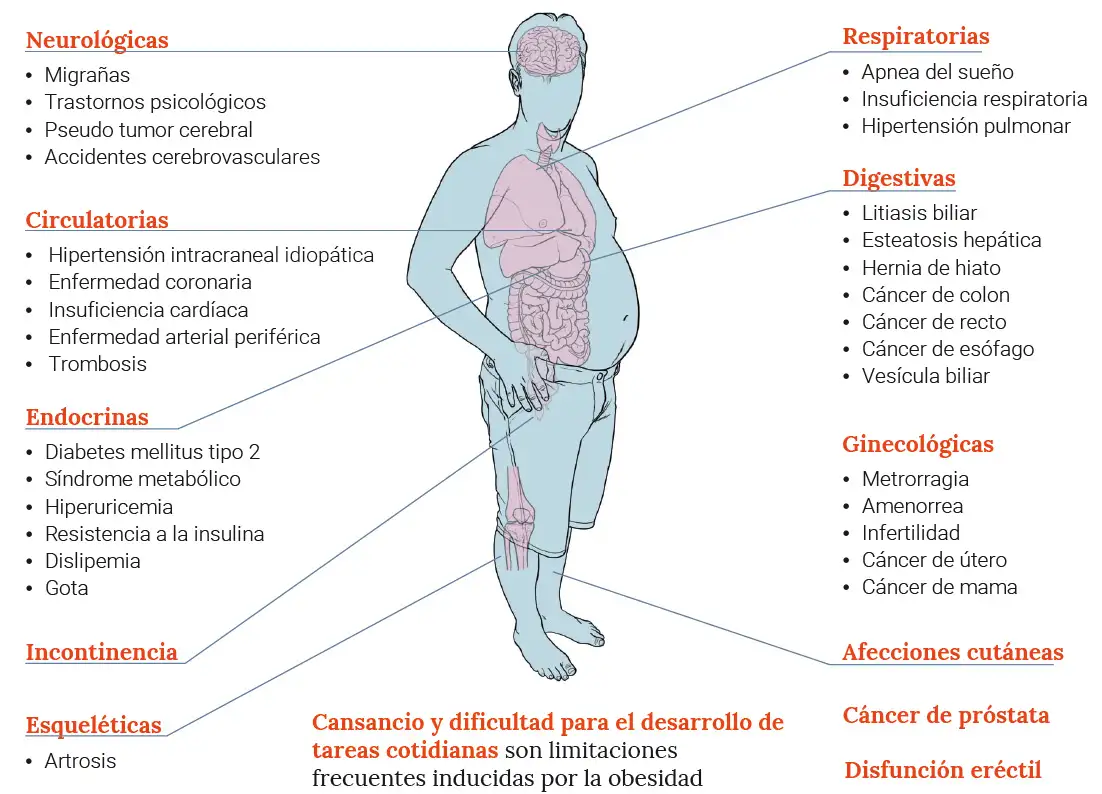
In the medium and long term, obesity is the cause of more than 30 serious neurological, circulatory, metabolic, digestive, respiratory and other diseases.
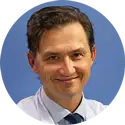
" Over 15% of the Spanish population suffers from obesity.
Beyond an aesthetic problem, obesity causes a deterioration in their health and quality of life with significant consequences".
DR. MANUEL LANDECHO
INTERNAL MEDICINE SPECIALIST
The most appropriate treatment for each patient
In less than 48 hours we will provide you with a complete assessment and indicate the most appropriate treatment for you, bearing in mind your degree of obesity, medical history and lifestyle habits.

Personalised medical plan
A low-calorie diet plan, physical activity programme and personalised nutritional education for the overweight or slightly obese patients.

Endoscopic techniques
These are indicated in patients with a BMI between 30-35 kg/m² without metabolic pathology and morbidly obese patients in whom surgery is refused or contraindicated.

Surgical techniques
These are indicated for patients with a BMI greater or less than 35 kg/m² but with health complications associated with obesity, such as diabetes or hypertension.

Infant obesity
Family approach aimed at changing eating patterns to promote long-term weight reduction, completed with a physical exercise plan and personalised nutritional education.
 Frequently Asked Questions
Morbid obesity is an extreme degree of excess weight, with a body mass index over 35–40 (BMI = weight in kg/height in m2).
It is a chronic disease that causes a poor quality of life and carries a high risk of severe complications, especially cardiovascular, respiratory, and metabolic, which can reduce life expectancy.
The usual initial treatment consists of a low-calorie diet plan and a personalized physical activity program which, together with appropriate pharmacological support and the necessary nutrition education, aim to create a negative calorie balance that allows for a gradual reduction of excess body fat.
When initial treatment fails, the need to adopt other therapeutic measures such as bariatric surgery will be assessed. This surgical treatment will help patients with morbid obesity move out of the life-threatening risk situation they are in.
For many people, losing weight is the result of exercising and following a healthy diet. However, this is not enough for people with morbid obesity. For them, losing weight is not a matter of willpower.
Many factors (genetic, hormonal, psychological, etc.) make it difficult for the patient to change their habits to achieve significant weight reduction and, above all, for that weight loss to be sustainable over time.
Medical studies published over recent decades confirm that Obesity Surgery, or Bariatric Surgery, is the most effective way to achieve long-lasting weight reduction in patients with morbid obesity and to improve the health problems associated with this disease. In this way, bariatric surgery enables these patients to regain their quality of life.
The surgical techniques currently performed at the Clínica are those that have proven to be most effective in patients, and above all, with effects that are more sustained over time.
This is because these techniques change the absorption of food in the digestive tract, affecting not only the patient’s physical ability to eat, but also the appetite for food that the patient may feel. The usual experience of patients with morbid obesity or overweight who follow the standard treatments for this condition is the so-called “yo-yo effect.”
Patients on dietary treatments achieve, with tremendous effort, significant weight reduction. However, over time, obesity finds its way back into the patient’s behavior and habits, and weight rises again. The patient attempts weight reduction again, but once more it is not sustainable. Thus, year after year, the patient’s weight continues to fluctuate, but always increases in the long term, with the associated health problems. With bariatric surgery, what is achieved is modification of the anatomy of the digestive system, with a consequent effect on hormones and peptides related to appetite and metabolism. Helped by these effects, patients are able to modify their eating habits, thereby facilitating the lifestyle change needed for permanent weight reduction
The intragastric balloon is not, in itself, a surgery, but rather the placement of a balloon in the stomach via endoscopy, and it must be performed by physicians specializing in digestive endoscopy. The intragastric balloon is a temporary procedure that serves as a complement to a weight loss program.
Before the procedure, it is advisable to follow the recommendations provided by your care team in order to achieve greater success with the surgery and a better recovery.
• It is very important to follow a preoperative diet to reduce, as much as possible, the size of the liver and visceral fat, which will facilitate a quick surgical procedure. Our team of nutritionists will design a personalized eating plan suited to your needs.
• In addition, an exercise program will be planned, taking into account the patient’s limitations, with the aim of improving cardiopulmonary capacity and reducing the risk of complications after surgery as much as possible. It will also support the desired weight loss before surgery.
• If the patient smokes, they must stop using tobacco.
• There are also other recommendations related to usual medications, prevention with anticoagulant medication, possible infections, etc., about which your nursing team will inform you specifically. Likewise, the Clínica offers the option of admission to the hospital before surgery to facilitate proper preparation for those who may have difficulty preparing on their own.
Once the surgical procedure is finished, the patient will remain in the recovery room. That is where recovery will begin, by doing breathing exercises and early mobilization.
Afterward, the patient will be transferred to the inpatient unit, where recovery will continue. The ward nursing team has extensive experience in caring for patients who have undergone bariatric surgery.
On the same day as the procedure, the patient will gradually begin to mobilize and perform breathing exercises, all with the aim of speeding up recovery.
During the first 24 hours after surgery, the patient will fast, taking only small amounts of water. The next day, the nutritionist will create the personalized diet plan and oral intake will begin as tolerated.
After 24–48 hours, once adequate oral tolerance has been achieved and the patient is in good general condition, the patient can go home to continue full recovery.
During the first month after surgery, the patient will continue recovery at home, following the discharge instructions given by the Clínica’s medical team: personalized guidance on nutrition, medication, breathing exercises, and the recommendation to walk regularly.
During that first month, a liquid and soft diet must be followed until, little by little, a complete diet is resumed. Weight loss during the first month will be significant, becoming more gradual over time. Our nursing team, both during hospitalization and in clinic visits, will help you and explain everything you need to know.
After obesity surgery, patients are generally very satisfied with the results achieved, since they are able to regain their quality of life and return to activities that their illness previously prevented them from doing.
Like any surgical procedure, obesity surgery is a process that carries risks, since the patient is undergoing a medical procedure.
However, the techniques performed at the Clínica Universidad de Navarra are well-established techniques whose results have proven effective internationally, and whose risk of complications is not higher than the risks of routine surgeries such as, for example, gallbladder surgery.
To undergo obesity surgery, the patient must first be evaluated by the multidisciplinary team made up of a surgeon, anesthesiologist, endocrinologist, and nutritionists. This preliminary evaluation can usually be carried out within 24–48 hours.
Can I no longer expect any results from these techniques? What is revision surgery?
At the Clínica, we also treat patients who have had prior obesity surgeries or endoscopic treatments and have not achieved the expected results over time.
In some cases, patients who previously underwent surgical or endoscopic obesity treatment may experience weight regain over time.
For these situations, surgical and/or endoscopic solutions can also be applied depending on each specific case. The evaluation of a multidisciplinary team like that of the Clínica Universidad de Navarra is very important because, being made up of several medical departments, the team will jointly determine the best option for each individual patient
The Clínica has been accredited as a Center of Excellence in Bariatric and Metabolic Surgery, an accreditation granted by the European Accreditation Council under the International Federation for the Surgery of Obesity (ISFO), the most prestigious institution worldwide in obesity surgery.
Likewise, the Clínica has been accredited as a leading center of excellence in obesity treatment at the European level by the European Association for the Study of Obesity (EASO). The recognition is granted only to centers that demonstrate a solid scientific track record by the principal leaders of the Obesity Unit, a track record that is internationally endorsed.
A differentiating factor of the Clínica is its multidisciplinary team of professionals: the patient is not cared for only by a surgical physician, but by a complete team of professionals specialized in obesity—endocrinologists, anesthesiologists, nurses, nutritionists, and surgeons—who work together and are fully committed to achieving the most appropriate treatment for the patient in every aspect
The Clínica Universidad de Navarra offers different aesthetic treatments that, in selected cases, can help make the aesthetic result more satisfactory.
Abdominoplasty. A surgical treatment performed in people who want to remove excess skin and fat from the middle and lower abdomen and, in addition, strengthen the abdominal wall musculature. In most cases, the results are definitive, as long as they are accompanied by a balanced diet and regular exercise.
Liposuction. This treatment is aimed at reducing fat deposits that are difficult to eliminate through dieting. With this technique, fat can be suctioned from different areas of the body such as the hips, thighs, knees, ankles, arms, abdomen, face, etc.
Arm and thigh lift. A procedure intended to tighten the skin of the arms and thighs in order to reduce sagging. Breast lift, or mastopexy: with this procedure, the breast is reshaped and lifted. It can be performed on its own or with the insertion of implants. The procedure lasts two hours and is performed under general anesthesia.