
Our professionals
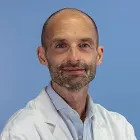
Dr. Bruno Paiva
Group in Haematological Neoplasms
Co-Director of the Haematological Oncology Research Programme at Cima-University of Navarra.
Head of Flow Cytometry at the Oncology Centre of the University of Navarra Clinic and of the Cima Flow Cytometry Platform.
Researcher in the Department of Haematology and Haemotherapy at the University of Navarra Clinic.
Preferential dedication: Translational research on tumour–immune interactions in monoclonal gammopathies and myeloid neoplasms, integrating multidimensional flow cytometry, longitudinal clinical cohorts and multiomics to improve early detection, disease monitoring and personalised immunotherapy.
Professional career
- 2007: Degree in Pharmacy, University of Coimbra, Portugal.
- 2007–2011:Doctoral research at the University Hospital of Salamanca and the University of Salamanca.
- 2011: PhD in Biology and Clinical Cancer Research, University of Salamanca. Thesis on flow cytometric characterisation of normal and malignant plasma cells and response monitoring in multiple myeloma.
- 2012–2013: Postdoctoral research in Salamanca.
- Since 2013: Researcher at Clínica Universidad de Navarra.
- Since 2014: Leadership of flow cytometry and coordination of haemato-oncology diagnostics.
- Since 2019: Principal Investigator and Director of the Translational Immunomics in Hematological Neoplasms Research Group.
- Current: Co-Director of the Cima Hemato-Oncology Research Programme and faculty member in Hematology at the University of Navarra.
RESEARCH AREAS
Co-development and clinical validation of next-generation flow cytometry for highly sensitive and standardised assessment of measurable residual disease in multiple myeloma.
Demonstration of the prognostic and biological relevance of circulating tumour cells in precursor and active myeloma, and development of minimally invasive monitoring methods including BloodFlow.
Identification of tumour–immune interactions associated with progression, treatment resistance and infection, with translation into biomarker studies and international clinical cohorts.
Contributions to International Myeloma Working Group diagnostic and response frameworks and to i2TEAMM evidence supporting MRD-based assessment of treatment efficacy in clinical trials.
Extension of single-cell multiomics and flow cytometric biomarker discovery to acute myeloid leukaemia, light-chain amyloidosis and other monoclonal gammopathies.
AREAS OF INTEREST
Progression of monoclonal gammopathy of undetermined significance and smouldering myeloma; circulating tumour cells and liquid biopsy; measurable residual disease and resistant clones; immune health, vaccination and infection; CAR-T response, toxicity and functional cure; clonal haematopoiesis and the tumour microenvironment; light-chain amyloidosis and IgM gammopathies; flow cytometric monitoring of myeloid neoplasms.
Activity
In teaching
University teaching in Medicine, Pharmacy and Engineering, including immunology, translational research and quantitative methods, together with postgraduate and master’s programmes. Supervision of eleven doctoral theses, two recognised with an Extraordinary Doctorate Award. Organisation of flow cytometry training workshops and international training for clinicians, researchers and laboratory specialists. Invited lecturer at major hematology, myeloma and cytometry meetings; teaching and scientific communication in English, Spanish and Portuguese.
In research
Author of more than 250 scientific publications, including more than 40 as first author and more than 50 as last and/or corresponding author. His work has appeared in the New England Journal of Medicine, Nature Medicine, Cancer Cell, Lancet Oncology, Journal of Clinical Oncology and Blood. More than 95% of publications are in Q1 journals.
Principal Investigator or Co-Principal Investigator of more than 25 competitively funded public and private projects, with more than 15 R&D collaborations with biotechnology and pharmaceutical companies. Coordinates NoMoreMGUS and iMMunocell and participates in the European EUREKA and ELMUMY programmes.
The research programme connects clinical diagnostics and patient cohorts with rare-cell isolation, spectral cytometry, single-cell and bulk molecular profiling, proteomics and computational analysis. Collaboration with PETHEMA/GEM and international research groups supports multicentre biomarker validation and clinical translation.