
Remote Second Opinion in Proton therapy
The peace of mind of being in the best hands
At Clínica Universidad de Navarra (Spain), we evaluate your case within a maximum of 72 hours. Access Europe's most advanced proton technology, backed by the same quality standards as the best hospitals in the United States.
WHY CHOOSE THE CANCER CENTER AT
CLÍNICA UNIVERSIDAD DE NAVARRA
Over 50 years of experience at the forefront of personalized medicine for cancer
.
Comprehensive care for cancer diagnosis and treatment
MR Linac
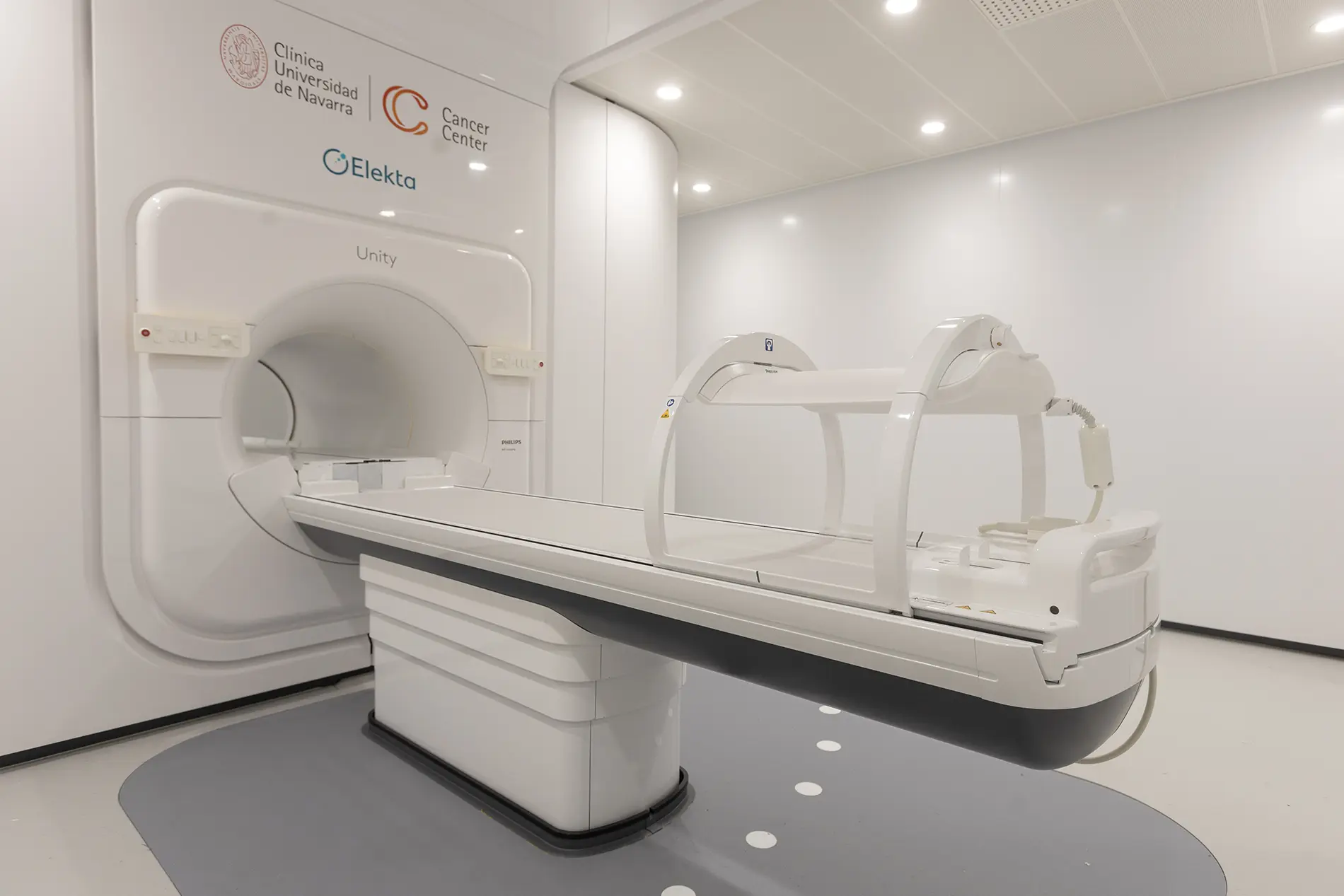
1.5-Tesla MRI-guided linear accelerator for radiation therapy, providing high therapeutic accuracy before, during (real time), and after treatment.
Advanced cancer therapies
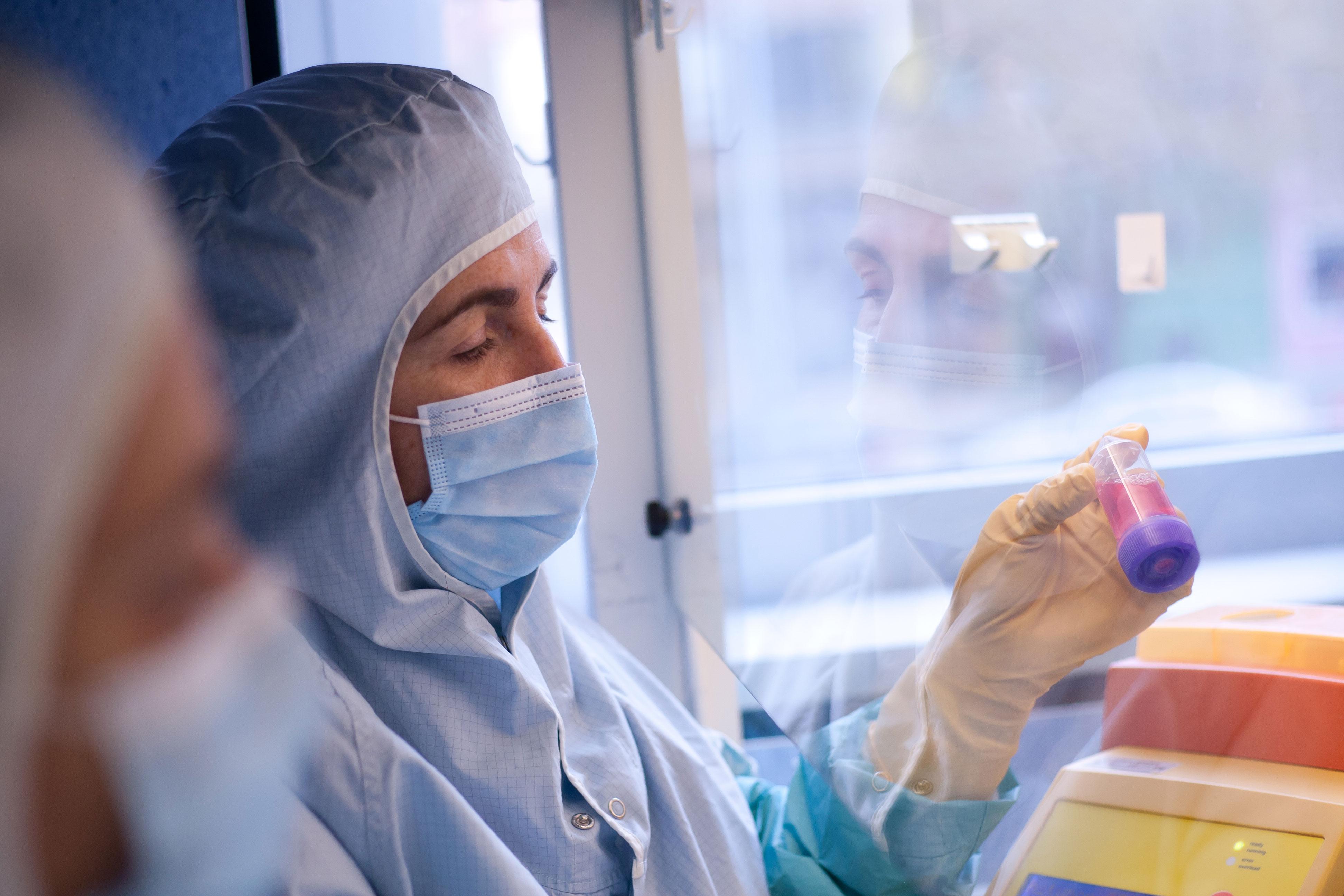
More than 20 years of experience in the use of advanced cell therapies, both in laboratory research and in clinical trials and treatments
Robotic Surgery
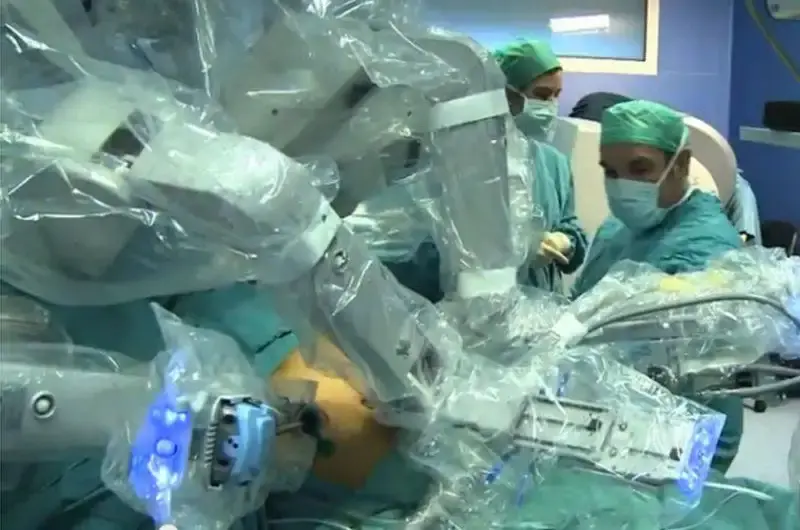
Greater surgical precision, a less invasive procedure, and a reduction in surgical complications in the treatment of certain types of cancer.
Proton therapy for cancer
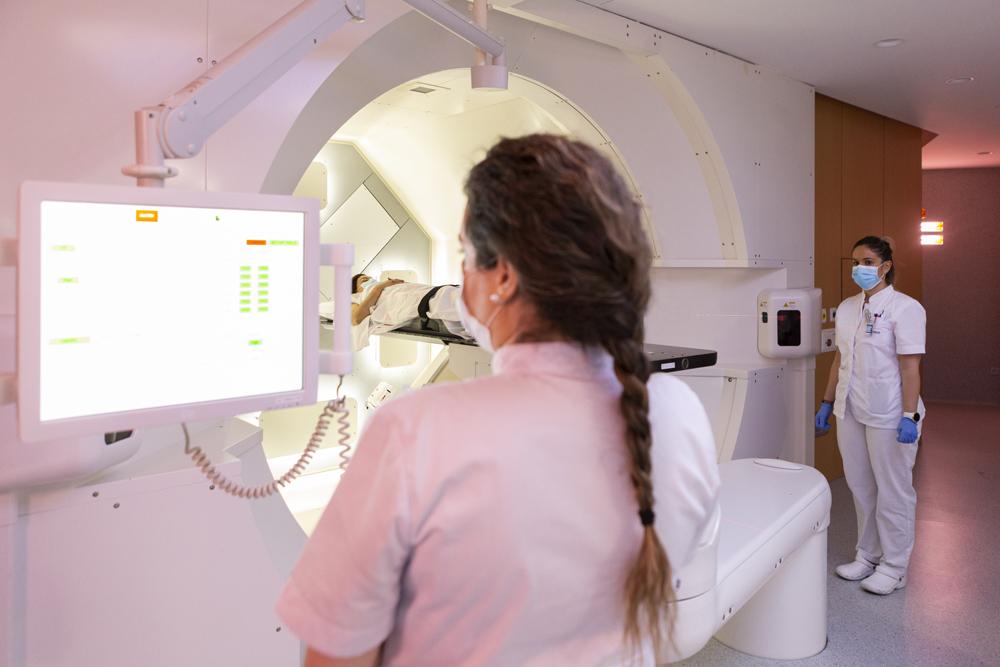
A highly precise treatment with lower adverse effects that targets only the tumor area without exposing the surrounding healthy tissue to radiation.
A leading Cancer Center in the care of cancer patients
+23.000
patients treated with radiation therapy
194
specialists in 14 clinical areas
+3000
new patients diagnosed per year
+17%
of our patients treated with proton therapy are from abroad
199
full time reseachers
+60.000
patients from all over the world have already been treated with the same technology
Cancer Center at Clínica Universidad de Navarra,
the best choice for your medical care

Comprehensive
Cancer Center
Accredited the CCUN’s quality of care, research, and education as a comprehensive cancer center.

Joint Commission International
The University of Navarra Clinic has been accredited since 2004.

One of the 50 best cancer centers in the world
The first Spanish private hospital to appear in the “World’s Best Hospitals”
The best private
hospital in Spain
In 2025, for the eleventh consecutive year, ranked first among all private hospitals in Spain.
WHAT IS PROTON THERAPY
The most precise and safe external beam radiation therapy
For certain types of cancer, proton therapy is the most precise form of external beam radiation therapy.
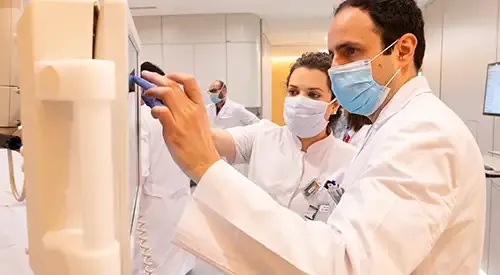
This technology offers clinical benefits supported by evidence:
1. Lower toxicity.
2. Better quality of life.
3. High safety and fewer serious long-term consequences in pediatrics.
4. Greater precision.
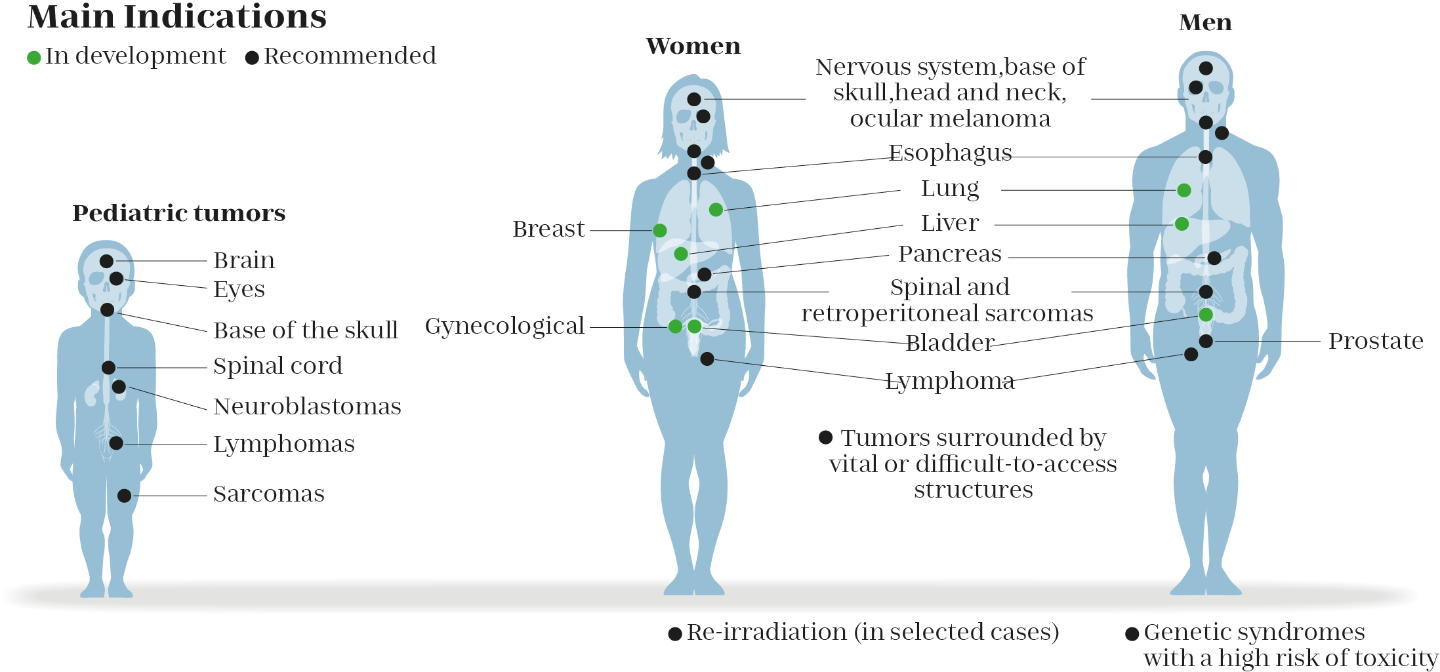
"Proton therapy improves the balance between survival and quality of life in more than 20 different types of cancer, including skull base tumors, brain tumors, spinal tumors, pediatric cancers, and head and neck cancers."
CUTTING-EDGE TECHNOLOGY: PRECISION COMPARABLE TO THE U.S
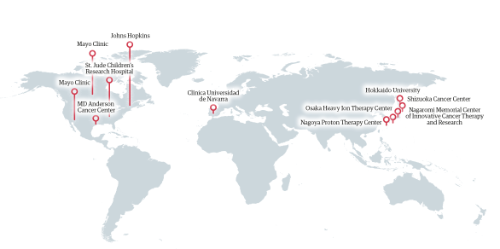
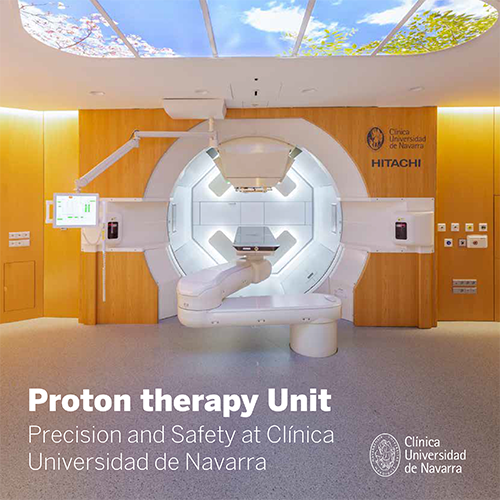
Our Proton Therapy Unit is equipped with a Hitachi synchrotron, the same leading technology chosen by world-reference centers from United States and Japan.
360º rotating gantry
Allows tumor access from any angle without repositioning the patient
High-precision proton beam
Active scanning system (pencil beam scanning) with submillimetric precisión
Image guidance (cone beam CT)
Real-time verification of tumor position
98 energy levels
Exact adaptation to tumor depth and location
Real-time respiratory gating
Synchronization with patient and tumor in moving lesions
More than 60,000 patients from all over the world have already been treated with the same technology as the Proton therapy Unit of the Clínica Universidad de Navarra.
MAIN INDICATIONS
Proton therapy makes a difference in complex tumors or those close
to organs at risk
TESTIMONIALS AND OPINIONS OF PATIENTS TREATED
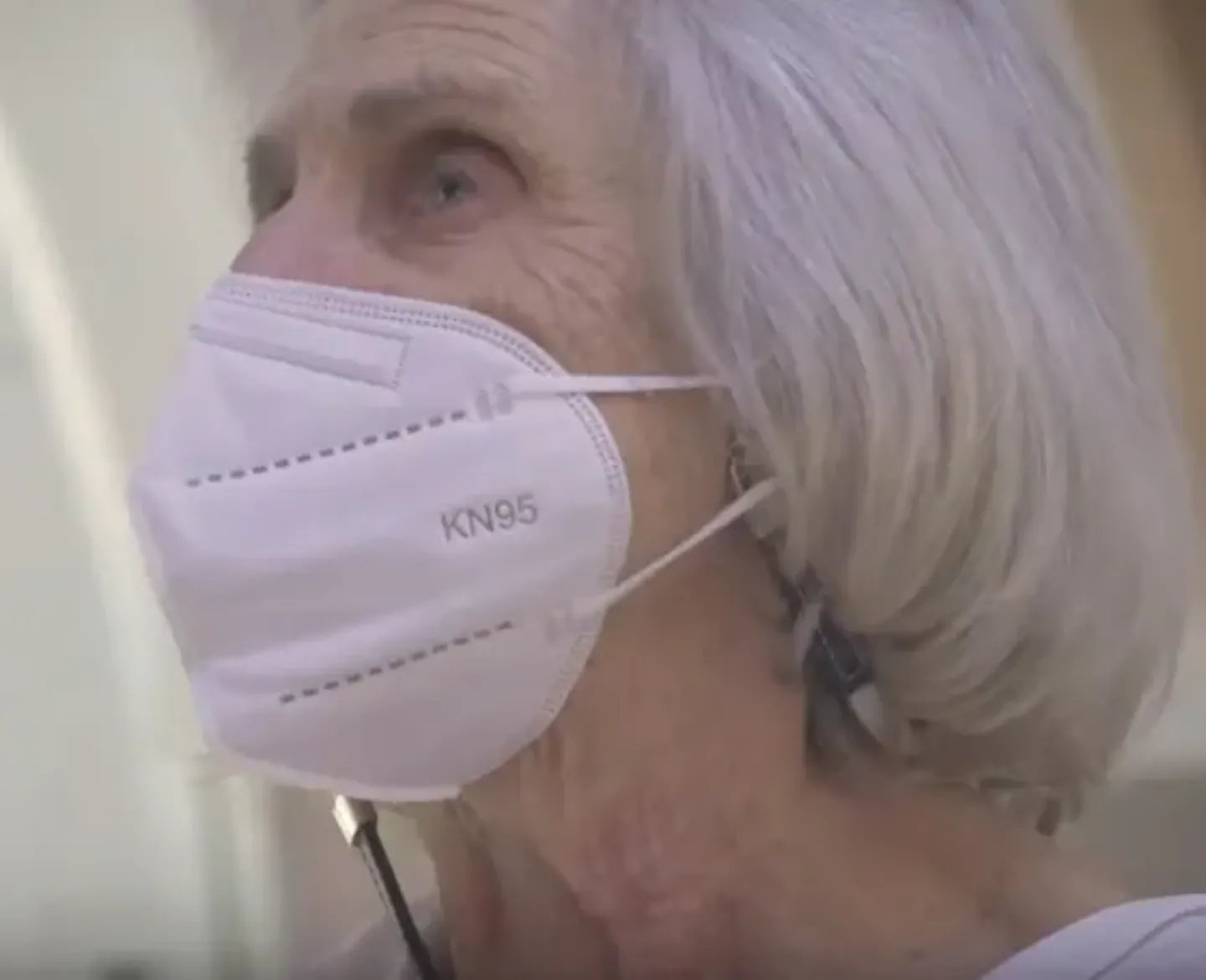
Harriet
Proton therapy for her esophageal cancerAt the age of 80, Harriet travelled from Toronto to Madrid to receive treatment for esophageal cancer. After being diagnosed in her hometown, Harriet and her family sought a second opinion to find a treatment better suited to her condition. That's how they came to Clínica Universidad de Navarra to receive proton therapy.
WE HAVE DESIGNED A STRUCTURED PROGRAM FOR INTERNATIONAL PATIENTS THAT FACILITATES EVERY STEP OF THE PROCESS
Complete detailed report: You will receive a medical report in English that includes:
- Complete review of reports, images, and previous treatments.
- Indication or not of proton therapy for your case.
- Comparison of risks and benefits versus conventional radiotherapy.
- Indicative fractionation proposal and treatment duration.
- Overall assessmet of your disease by the specific CCUN area.
- Cost estimation and financing options.
Travel planning: If you decide to be treated with us, our International Patient Service will help you:
• Coordinate treatment start and end dates.
• Book accommodation near the clinic in Madrid.
• Manage airport-hospital-accommodation transfers.
• Facilitate translations and interpreters if necessary.
Treatment and follow-up: Treatment usually lasts between 3 and 6 weeks, with subsequent follow-up coordinated with your oncologists in Canada
STRUCTURED PROGRAM FOR INTERNATIONAL PATIENTS
We understand the challenges of traveling abroad for cancer treatment. That's why we have developed a comprehensive support program.
Personalized advice and assistance:
• Booking management for accommodations, travel, and transfers at the best price guaranteed.• Information and booking management for restaurants.
• Tourist experience offerings.
• Translation and interpretation services.
• Long-term accommodation support services (housekeeping, cooking, nursing, patient care, etc.)
• Support for family members and resolution of serious incidents
The Clinic offers a free assistance and reception service for patients and their companions visiting us from other cities.
Our goal is to make things as easy as possible for you, not only by handling all logistical matters (transportation, transfers, and accommodations) but also by ensuring your visit to the Clinic is as comfortable as possible.
Would you like our advisor to contact you?
Fill out your information and we will contact you within 24 hours.
NEED MORE INFORMATION?
NEED MORE INFORMATION?
Request the e-book:
Need more information?
Download the e-book we’ve prepared to answer any questions you may have about proton therapy.
Don’t leave any questions unanswered—take advantage of this opportunity to access all the materials so you can read them whenever you like.
Frequently Asked Questions
Side effects depend on the tumor location treated, the dose administered, and associated treatments. The radiation oncologist will explain to you in a personalized way the possible expected effects in your specific situation before starting treatment. Generally, effects begin gradually from the second or third week and most are transient, improving gradually after treatment ends.
Most proton therapy treatments range between 15 and 40 sessions, administered once a day, 5 days a week. Total duration is usually 3 to 6 weeks. In hypofractionated protocols (for example, prostate or breast) the number of sessions may be lower.
No. Proton therapy does not cause pain during administration. During the session you will not notice any special sensation. True irradiation time varies depending on the treatment technique and the complexity of each case. The rest of the time (approximately 20–30 minutes total) is spent on positioning and precision verification guided by imaging.
In many cases, yes. About 30% of patients trated with protontherapy at the Clínica Universidad de Navarra are previously irradiated patients. This complex process requires careful analysis of previous doses and organs at risk before proposing a new course of radiation. It will be essential to provide medical reports and the previous irradiation plan. That's why a detailed second opinion with all your documentation is crucial.
In certain cases, proton therapy can be administered simultaneously with chemotherapy, immunotherapy, or other systemic treatments. This decision will be made by your medical team, who will define the most appropriate therapeutic scheme according to your clinical situation.
Anesthesia during proton therapy is mainly indicated in children who cannot remain still during the procedure, usually under 7 years old. However, the need will be assessed individually by the medical team and the pediatric anesthesia service.
No. Proton therapy is not an invasive or painful treatment. During the first days, the child may be fearful of the hospital environment. Active participation of parents is essential and the team is specially trained to accompany the process.
In general, they can continue with their usual routine: playing and performing moderate physical activity. If there are any specific recommendations, the medical team will provide them in a personalized way.
Clínica Universidad de Navarra uses a Hitachi synchrotron very similar to other used in USA and Japan, with pencil beam scanning techniques, rotating gantry, and advanced imaging and respiratory gating systems. The main difference is not in the "machine," but in the team's experience and integration within a Comprehensive Cancer Center.
- Same technological league (Hitachi, IMPT, advanced imaging) as other top centers in United States or Japan.
- Total treatment cost significantly lower than in the U.S. and UK.
- Safe European environment, city with high quality of life and more accessible logistics for accompanying family.
- Consolidated experience with more than 1,000 treated patients.
- Integration in high-complexity hospital with access to all specialties.
Prices vary depending on complexity, number of sessions, pediatric anesthesia, or hospitalization. Your personalized budget will detail medical fees, planning, treatment, controls, and the approximate follow-up plan.
It depends on the type of policy and whether it offers international coverage or reimbursement outside North America. Clínica Universidad de Navarra has consolidated experience in managing procedures with more than 140 countries. We can issue detailed medical reports to justify the indication to your insurer.
The International Patient Service can help you coordinate treatment start and end dates, book accommodation near the clinic adapted if traveling with family or children, manage airport-hospital-accommodation transfers, and facilitate translations and interpreters if necessary.
In general, you can fly a few days after finishing treatment, as long as your clinical condition is stable and there are no complications. The medical team will assess your individual situation before authorizing travel.
It is not mandatory in all cases, although it is recommended, especially during the first days or if your clinical condition requires it. In pediatric patients, accompaniment by parents or guardians is essential.
The first re-evaluation usually takes place approximately 1-3 months after finishing treatment depending on the nature of the cancer. Control tests can be performed in your country of origin or at the center where you continue your usual follow-up. You will be given a detailed medical report to facilitate care continuity.
Yes. You can maintain contact with the team through the email provided by the department. Our commitment is to ensure follow-up continuity and resolve any questions that may arise after your return.
Comprehensive second opinion...
If you, your child, a family member, or a friend have a tumor that could benefit from proton therapy, you deserve to know all available options before making a decision.
• Specifically oriented to patients from Canada.
• Response in less than 72 hours after receiving your documentation.
• Clear, honest report based on the best available scientific evidence.
• Evaluation by multidisciplinary committee, not by a single physician.
• No commitment until case viability is confirmed.
Contact us if you need more information or to schedule an appointment.
